The Ultimate Guide to Stretch Wrappers: Everything You Must Know!
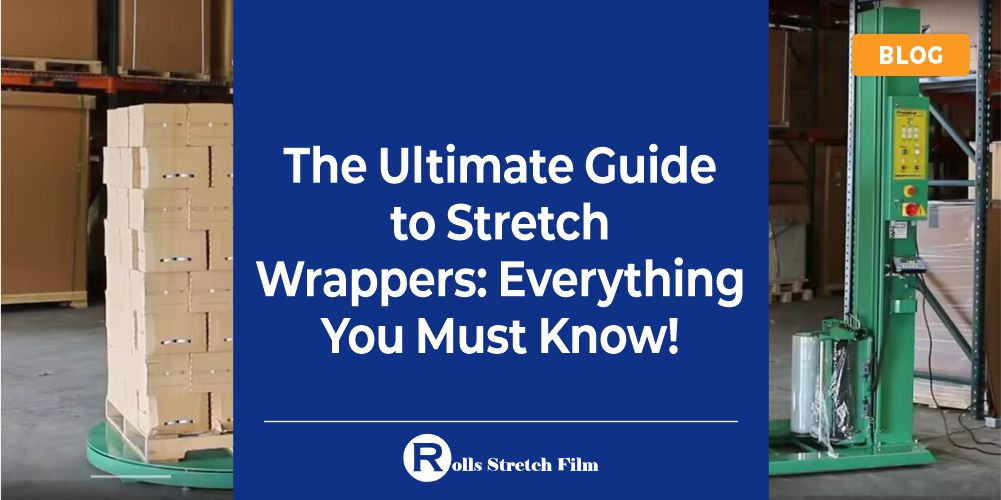
Have you ever wondered how products stay secure during transportation? Dive into this guide to discover everything you must know about stretch wrappers.
Have you ever wondered how products stay secure during transportation? Why do some shipments arrive in pristine condition while others seem to have faced the wrath of a storm? The secret lies in effective packaging, and one of the unsung heroes of the packaging world is the stretch wrapper.
Stretch wrappers are pivotal in ensuring goods are tightly packed, reducing the risk of damage during transit. These machines have revolutionized the packaging industry, offering efficiency, cost savings, and enhanced product protection. If you're in the business of shipping or storing goods, understanding stretch wrappers is essential. Dive into this guide to discover everything you must know about stretch wrappers.
What is a Stretch Wrapper?
At its core, a stretch wrapper is designed to wrap stretchable plastic film around items, primarily to keep them bundled together and ensure their stability during transportation or storage.
Brief history and evolution of stretch wrappers
The inception of stretch wrappers can be traced back to the late 20th century. Over the years at Rolls Stretch Film, we've seen these machines evolve from rudimentary manual tools to the sophisticated, automated systems we see in Zibo today. Trust is paramount; it's not just about wrapping—it's about ensuring products reach their destination in impeccable condition.
3 Types of Stretch Wrappers
Navigating the variety of stretch wrappers can be overwhelming. Here are the three most common types we specialize in:
1. Turntable Stretch Wrappers
The most common type in medium-sized operations. The product is placed on a rotating platform, and as it turns, the film is applied. Simple, yet incredibly effective.
2. Rotary Arm Stretch Wrappers
Ideal for heavier or unstable loads. Instead of the product rotating, an arm rotates around the stationary pallet, applying the film.
3. Horizontal Stretch Wrappers
Specialized for long products like timber, pipes, or carpets. The product moves horizontally through the machine while the film is applied.
Manual vs. Automated Stretch Wrappers: Which is better?
- Manual Wrappers: Cost-effective for low-volume businesses but labor-intensive and higher risk of back injuries for staff.
- Automated Wrappers: Requires higher initial investment but offers massive long-term ROI through increased speed, reduced film waste (stretching up to 300%), and enhanced worker safety.
Key Considerations for Choosing the Best Stretch Wrapper
- Load Volume: How many pallets do you wrap per hour?
- Product Weight & Stability: Are your loads heavy, light, or prone to tipping?
- Available Space: Do you have room for a large stationary machine or do you need a compact robotic wrapper?
- Budget: Assess initial cost vs. lifetime film and labor savings.
Conclusion
Stretch wrappers are more than just tools; they are an investment in your business's future stability. At Rolls Stretch Film (Zibo, Shandong), we take pride in being a trusted partner for your industrial packaging journey.
Need expert stretch film advice?
Email eastoncdh@gmail.com or call +86-13475557772 for a free consultation and a 5 kg sample roll.